Blog · Programme management
Your project is finished. Your product is just getting started.
The moment a digitalisation project is 'finished' is often exactly the moment nobody is steering any more. Why a completed project is really a product that is just starting out, and how best to handle it.

There is a moment in every digitalisationHelping your organisation work smarter with technology, not as an IT project but as a way of working. project that gets too little attention. Not the kick-off, not the go-live, but the week after. The project has been delivered, the invoices have been paid, and everyone goes back to their usual work. On paper, everything is finished.
In practice, that is when it really begins.
A project ends, a product lives on
What you delivered was a project: a clearly defined piece of work with a beginning and an end. But what is now up and running is something else. It's a product. Customers use it every day, it collects data, it gets support questions, and sooner or later something about it will have to change. A project comes to an end. A product lives on.
That difference sounds small, but it determines a great deal.
After go-live, nobody is responsible any more
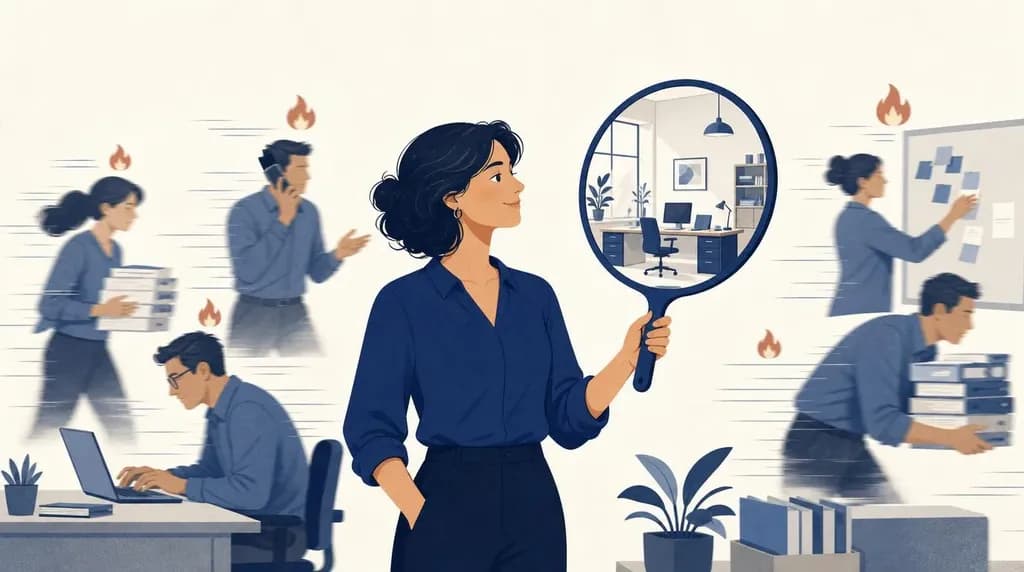
What I often see happen in SMEs is that responsibility quietly disappears after go-live. The project managerBringing one clearly defined undertaking to a result within scope, time and budget. has left, the development team is waiting for its next assignment, and nobody inside the company has the mandate to decide where the product goes next. Bugs are fixed ad hoc. A new feature only arrives after a lot of pushing. And if you ask about the roadmapA digital roadmap is your step-by-step plan for digitalisation: which steps you take in which order, so you don't have to do everything at once. a year later, everyone looks at each other.
Nobody is to blame for that. It's simply what happens when you keep treating a product as a finished project.
Where product life cycle management comes in
That is exactly where Product Life Cycle Management comes in. And the best time to start is not at the end of the product's life, but just after delivery, when its real life is only about to begin.
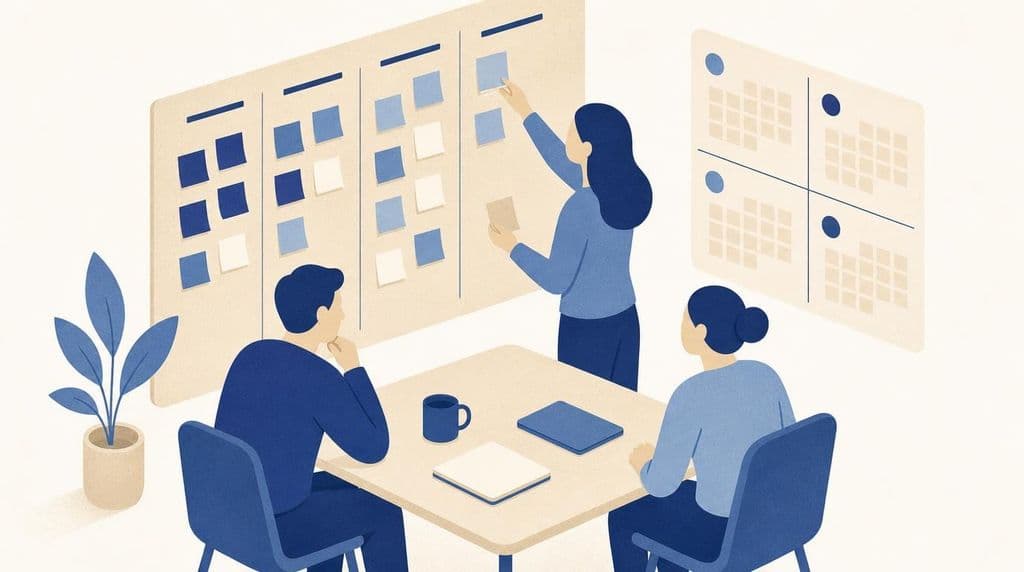
In practice, it means that one person becomes responsible for the whole. That person looks after the roadmap, brings out releases at a steady pace rather than in waves of panic, and feeds customer feedback back to the team. Not by writing code themselves, but by steering on pace, scope and direction.
A product goes through phases. First comes the concept, then the build, then the years in which it runs and has to grow with the business, and finally a moment when it deserves a big step forward or a phased end. In every phase the question is the same: who makes sure the whole thing still holds together? Without that overview, a product slowly drifts away from where your business wants to go.
One owner for the whole
The question I like to ask managing directors is a simple one. Does your digital product have one owner for the whole? Not for the technology, not for the support, but for the direction. If the answer is not really, that's no disaster. It's simply a sign that your project is finished and your product is just getting started.
Would you like to talk it through? At Make IT So we take on that ownership role, from concept to phase-out. Half an hour on the phone costs nothing and commits you to nothing.