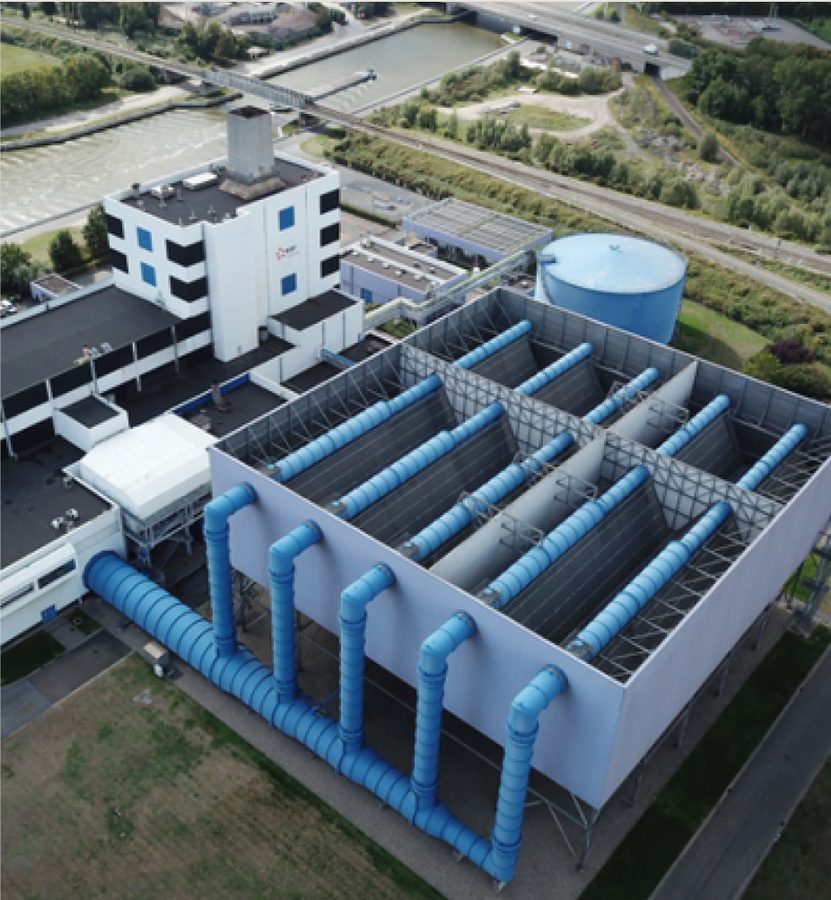
A
Our engineers keep drawing the same system, just slightly differently.
Much of the design work was repetitive. Time that didn't go to research and innovation.
SPG Dry Cooling builds cooling systems for power stations all over the world. Every design took months of drawing. Today software automates most of that work, and the engineers do research again.
The design process that used to take nine months now takes four. And they keep automating.
What used to be drawn by hand every day, the software now largely does itself.
The investment in software development paid for itself within two years.
SPG is a world leader in sustainable cooling for power stations.
SPG had all the knowledge in house, but the design process swallowed up the engineers' time.
Much of the design work was repetitive. Time that didn't go to research and innovation.
Teams worked side by side with little interaction until there were fixed meetings. That led to problems and countless iterations.
The first question was a cloudSoftware en opslag die je via internet afneemt in plaats van op eigen servers. migration. It soon became clear that the biggest gain lay elsewhere.
SPG came to us through our involvement with Cloudalize, a cloud technology. The idea was simply to move everything to the cloud. It soon became clear that the solution lay elsewhere: automating the design process itself, with a custom software application. SPG had little experience with software development. We were exactly the right party to guide them through it.
"It's a paradigm shift, we evolve from an engineering company to a software company and we let the computers do the boring work."
CEO, SPG Dry Cooling
We redirected the original question, built the software, and brought the people along.
We redirected the cloud question to the question that mattered: how do we automate the design process? That's where the gain was, not in a simple migration.
A variant of the branches approach from software development: teams work in parallel on their part and then merge. Problems and changes become visible sooner, which means fewer errors and faster progress.
Change management was crucial. At first there was little confidence that it could be done, but around 30% of the staff became actively involved in the project team.
That same core team now works on ongoing research and thinks about future improvements. The gains delivered are reinvested every year.
We brought the strategic view and the software guidance. The domain knowledge and ownership stayed with SPG.
The bridge between strategy, software and people.
All domain knowledge and decisions stayed with SPG.
The transformation freed up time for research and innovation. SPG can take on more projects and keeps investing in the future.
“Make IT So is our assurance that we make the right strategic choices in the further development and deepening of the software package.”